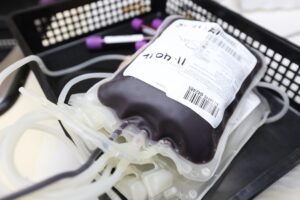
Bone Marrow Transplant is a life-saving medical procedure used to replace damaged or diseased bone marrow with healthy stem cells, helping restore the body’s ability to produce blood cells and fight infections. It is commonly used to treat conditions such as leukemia, lymphoma, aplastic anemia, and certain immune system disorders. By rebuilding the patient’s blood and immune systems, a bone marrow transplant can offer renewed hope, improved survival rates, and a chance for long-term recovery when other treatments are not effective.
What Is a Bone Marrow Transplant?
To understand modern treatments for serious blood disorders, it is important to first answer a common question: what is a bone marrow transplant? A bone marrow transplant (BMT) is a medical procedure used to replace damaged or diseased bone marrow with healthy stem cells. Bone marrow is the soft, spongy tissue inside bones where blood cells are produced, including red blood cells, white blood cells, and platelets.
When bone marrow stops functioning properly due to disease, genetic conditions, or aggressive medical treatments such as chemotherapy, the body can no longer produce healthy blood cells. A bone marrow transplant restores this function by introducing healthy stem cells that can rebuild the blood and immune system. This treatment can be lifesaving for patients with cancers, immune deficiencies, and inherited blood disorders.
Conditions Treated With Bone Marrow Transplant
Bone marrow transplants are used to treat a wide range of medical conditions. These include leukemia, lymphoma, multiple myeloma, aplastic anemia, and certain immune system disorders. One of the most well-known non-cancer uses involves sickle cell disease and bone marrow transplant therapy.
Sickle cell disease is a genetic blood disorder that causes red blood cells to become rigid and crescent-shaped. These abnormal cells can block blood flow, leading to severe pain, infections, organ damage, and reduced life expectancy. A bone marrow transplant is currently the only established cure for sickle cell disease, as it replaces the defective blood-forming cells with healthy ones from a compatible donor.
The bone marrow transplant procedure is a specialized treatment that replaces damaged or diseased bone marrow with healthy stem cells. It helps restore normal blood cell production, strengthen the immune system, and treat serious conditions such as leukemia, lymphoma, and other blood-related disorders.
Types of Bone Marrow Transplants
There are several types of bone marrow transplants, depending on the source of the stem cells:
- Autologous transplant – The patient’s own stem cells are collected, stored, and returned after treatment.
- Allogeneic transplant – Stem cells come from a donor, often a sibling or closely matched relative.
- Unrelated donor transplant – Stem cells are provided by a matched donor who is not related to the patient.
- Cord blood transplant – Stem cells are collected from umbilical cord blood after childbirth.
Allogeneic transplants are most commonly used in sickle cell disease and bone marrow transplant cases because the patient’s own marrow carries the genetic defect.
Bone Marrow Transplant Procedure Explained
The bone marrow transplant procedure is complex and occurs in multiple stages, often over several weeks or months. It requires careful planning, testing, and monitoring.
- Pre-Transplant Evaluation
Before the procedure, patients undergo extensive medical testing to assess heart, lung, kidney, and liver function. Doctors also identify a suitable donor and perform compatibility testing to reduce the risk of complications.
- Conditioning Treatment
The patient receives chemotherapy, radiation therapy, or both to destroy diseased bone marrow and suppress the immune system. This step creates space for the new stem cells and helps prevent rejection.
- Stem Cell Infusion
Healthy stem cells are infused into the patient’s bloodstream through an intravenous (IV) line, similar to a blood transfusion. The cells travel to the bone marrow, where they begin to grow and produce new blood cells.
- Engraftment and Recovery
Engraftment occurs when the new stem cells start producing healthy blood cells, usually within 2–4 weeks. During this time, patients are closely monitored for infection, bleeding, and other complications.
Bone Marrow Transplant Risks for the Donor
While much focus is placed on the patient, it is equally important to understand bone marrow transplant risks for the donor. In most cases, donation is safe, and serious complications are rare.
For traditional bone marrow donation, donors undergo a surgical procedure under general anesthesia. Temporary side effects may include:
- Pain or soreness at the donation site
- Fatigue
- Bruising
- Muscle aches
- Short-term anemia
For peripheral blood stem cell donation, which is more common today, donors receive medication to increase stem cell production before collection. Side effects may include bone pain, headaches, and flu-like symptoms, which usually resolve shortly after donation.
Long-term health risks for donors are extremely uncommon, and most donors return to normal activities within days or weeks.
Sickle Cell Disease and Bone Marrow Transplant
The relationship between sickle cell disease and bone marrow transplant represents one of the most promising advances in treating inherited blood disorders. For patients with severe sickle cell disease, a successful transplant can eliminate symptoms entirely by replacing defective stem cells with healthy ones.
However, not all patients are candidates. The procedure carries risks, including graft-versus-host disease (GVHD), infections, and organ damage. Finding a compatible donor—often a matched sibling—is one of the biggest challenges. Ongoing research is expanding donor options and improving outcomes, making this treatment more accessible.
Risks and Complications for Patients
Like all major medical treatments, bone marrow transplantation involves risks. Potential complications include:
- Infections due to weakened immunity
- Graft-versus-host disease
- Organ damage
- Infertility
- Fatigue and nutritional challenges
Advances in medical care, improved donor matching, and better supportive treatments have significantly increased survival rates and reduced complications over time.
Life After a Bone Marrow Transplant
Recovery after a bone marrow transplant can take months or even years. Patients require regular follow-up care to monitor immune recovery, manage side effects, and prevent infections. Many individuals eventually return to normal or near-normal lives, especially when the transplant successfully treats the underlying disease.
Lifestyle adjustments, vaccinations, and long-term medical monitoring are often part of post-transplant care.
Conclusion
Understanding what is a bone marrow transplant, how the bone marrow transplant procedure works, and the realities of bone marrow transplant risks for the donor provides clarity for patients and families facing difficult medical decisions. For individuals with severe conditions such as cancer or sickle cell disease, bone marrow transplant therapy offers hope, and in some cases, a cure.
As research continues to advance, bone marrow transplantation is becoming safer, more effective, and accessible to a broader range of patients worldwide.
Source: FG Newswire