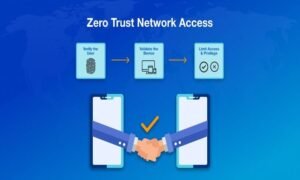
Security teams now frequently discuss remote access because the traditional idea of a fixed office network no longer aligns with current work practices. Many teams relocate across cities, devices change often, and new apps are adopted with little planning. This creates a strange blend of convenience and concern. That’s where SASE comes up in most discussions, but the part often overlooked is ZTNA. People sometimes miss this. They see it as an addition rather than a fundamental change in how access works.
ZTNA seems simple when you hear about it. A user only gets access to what’s necessary, nothing more. However, it changes the old habit of granting full access once a user logs in. This change might look small at first, but it impacts the entire security process. It supports workplaces that are no longer protected by a single firewall. It also helps teams that move between home networks, shared networks, and office connections without much hassle.
Why ZTNA Fits So Naturally Into SASE
SASE combines network and security functions into a single cloud-based model. It allows users to work without being tied to physical locations. The challenge arises when teams try to use older VPN methods within this setup. VPNs provide broad access, which creates a wide-open door. A zero-trust network access solution limits that door and verifies each request. While it may seem tedious, it makes it easier for IT teams to understand who is accessing which parts of the network.
Many Indian companies now operate a mix of cloud apps, private apps, and older internal tools. This mix frequently changes. People log in from various states, time zones, and devices. A model like ZTNA works well here because it monitors each access request rather than relying on a single daily trust check. It aligns with how modern work flows, where nothing remains static for long. This issue arises more often than expected when teams grow or collaborate with partners on short-term projects.
Some SASE platforms also incorporate identity layers, inspection points, and traffic control. ZTNA functions between these components to block unnecessary traffic within the network. It’s like giving each door its own lock instead of using a single lock for the entire building.
How Global Workforces Benefit From This Approach
Teams spread across different regions often face small but frequent access issues. A worker might try to access an application from a hotel network, and the system needs to make a careful decision. Traditional methods either grant broad access or block everything, both of which can cause problems. ZTNA offers a more straightforward solution in which access depends on the user, device, and specific application.
Companies that provide managed security services often position ZTNA at the core of their remote access setup. They leverage it to decrease unnecessary support tickets and minimize risky network activity. While people discuss productivity improvements, true peace of mind comes from fewer blind spots. When access is tailored to specific applications, identifying unusual activity becomes simpler.
In many global teams, users switch between private cloud apps and public cloud environments.
Where ZTNA Strengthens Everyday Security
A zero-trust network access solution allows security teams to reduce attack surfaces without significant disruptions. Instead of protecting the entire network at once, they evaluate each access request individually. This approach feels more natural in environments where applications are moving to cloud platforms. Most companies in India now operate at least a few cloud tools, and this trend continues to grow.
A simple example can help. Imagine a finance team member needs access to just one internal billing tool. Older methods might grant access to the entire finance network. ZTNA only provides access to that specific tool, preventing access to anything else. This decreases the risk of accidental clicks or compromised devices.
A Calm Step Forward
ZTNA does not replace SASE; it complements it. It bridges the gap between access control and real-world work patterns. It is ideal for global teams that move frequently and benefits networks that combine cloud apps with legacy tools. Additionally, it helps IT teams reduce blind spots. Many organisations also lean on providers like Tata Communications for this approach, as their unified SASE and ZTNA stack helps teams maintain consistent access policies across regions without adding extra complexity. Addressing these points early can simplify the application process.
Source: FG Newswire