Introduction
Carpet water damage can occur unexpectedly, turning a comfortable home into a stressful environment in hours. Whether caused by a burst pipe, appliance leak, or flooding, water can quickly penetrate carpet fibers, underlay, and subfloors, creating structural issues if left untreated.
Even when carpets appear only slightly damp, hidden moisture can promote mold growth, bacteria, and unpleasant odors. These conditions compromise indoor air quality and pose health risks, particularly to children, elderly residents, and pets. Quick, informed action is essential to reduce financial loss, prevent health hazards, and restore the home safely.
This guide explores the causes of carpet water damage, the step-by-step restoration process, health risks, preventive measures, and practical tips for homeowners. It also highlights professional assistance options for rapid and thorough recovery, helping you make decisions with confidence.
Common Causes of Carpet Water Damage
Water can enter homes in numerous ways, and understanding these causes is essential for prevention and quick response.
- Burst or leaking pipes are one of the most common culprits. A sudden burst can flood entire rooms within minutes, soaking carpets, padding, and subfloors. Hidden moisture may linger under floorboards, creating long-term problems if not addressed promptly.
- Appliance leaks, such as washing machines, dishwashers, or hot water systems, often go unnoticed until water has already seeped into carpets and flooring. Slow leaks can still cause extensive damage over time.
- Roof and window leaks during storms or due to poor sealing allow water to infiltrate interiors. Even minor rain exposure can lead to damp patches that compromise carpet fibers.
- Blocked drains can cause backflow into living areas, and natural events like flash floods or heavy seasonal rains can suddenly inundate carpets.
Once water penetrates, fibers absorb moisture, padding retains it, and the carpet backing can weaken. This creates an environment conducive to mold growth and structural damage, highlighting the need for immediate assessment and drying.
Why Quick Professional Action Matters
When carpets become wet, acting fast is essential to minimize damage. Water penetrates carpet fibers, padding, and subfloors quickly, and the longer it remains, the higher the risk of structural deterioration, mold growth, and lingering odors. Early action reduces the chance that carpets will need replacement and limits costly repairs to walls, flooring, and furniture.
Homeowners can take immediate steps to reduce water impact before professional help arrives. This includes moving furniture away from wet areas, blotting excess water with towels, and increasing airflow through open windows or fans if conditions allow. Using a wet/dry vacuum can also help remove surface water. However, these measures only address the visible water; hidden moisture in padding or under subfloors often remains a threat.
For complete and lasting results, professional intervention is necessary. In Melbourne, The Squeaky Clean Team provides 24/7 emergency wet carpet drying services. Their technicians assess damage, extract water, and use high-powered air movers, dehumidifiers, and moisture detection tools to ensure carpets and subfloors are fully restored. By combining fast response with advanced equipment, they protect both property and occupant health while minimizing long-term risks.
Health Risks Associated with Wet Carpets
Water-damaged carpets create ideal conditions for mold, mildew, and bacterial growth. These microorganisms release spores into the air, potentially triggering allergies, asthma, and other respiratory problems. Homes with children, elderly individuals, or pets are especially at risk.
Even minor dampness over several days can allow mold to establish colonies that are difficult to remove. In addition, damp carpets often emit unpleasant odors, signaling bacterial activity that further reduces indoor air quality. Prolonged exposure to wet carpets can exacerbate existing health conditions and create a persistently unhygienic living environment.
Immediate drying, proper ventilation, and air circulation are critical. Fans, dehumidifiers, and careful airflow can help reduce moisture levels, but professional moisture detection ensures hidden areas—such as under cabinets, along walls, and beneath flooring—are fully addressed. This proactive approach safeguards both the home’s structure and the health of its occupants.
Professional Restoration Techniques and Services
DIY attempts at restoring water-damaged carpets often fail to address hidden moisture, leading to secondary problems such as mold, odors, and structural weakening. Professionals employ systematic techniques and specialized equipment to ensure thorough drying, sanitization, and prevention of further damage.
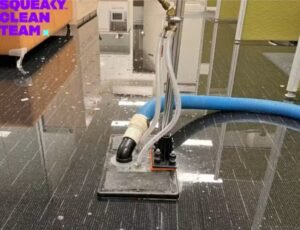
A standard restoration process includes a careful inspection to identify affected areas, water extraction using high-capacity machines, and drying with air movers and dehumidifiers. Moisture in subfloors, walls, and padding is closely monitored, and carpets are sanitized to remove bacteria and odors. Additional measures may include minor structural repairs or mold prevention treatments. Homeowners benefit not only from safer, healthier environments but also from reduced long-term repair costs.
For property owners in Melbourne and the Mornington Peninsula, The Squeaky Clean Team provides comprehensive carpet water damage restoration services for both homes and businesses. Available 24/7, their certified technicians respond quickly to emergencies caused by floods, burst pipes, leaks, or storm damage. Their expertise covers every stage of restoration, from water extraction, structural drying, and mold prevention to cleaning and restoring damaged belongings. Using advanced tools like moisture meters and thermal imaging cameras, they detect and treat hidden damp areas that often go unnoticed. Beyond technical work, the team supports clients throughout the process, including liaising directly with insurance companies to make recovery smoother and less stressful. Their combination of fast response, professional equipment, and a client-focused approach not only saves money on repairs but also restores confidence by protecting both health and property.
DIY Mitigation and Common Homeowner Mistakes
While waiting for professionals, homeowners can take practical steps to minimize immediate damage.
- Remove excess water using towels or a wet/dry vacuum.
- Move furniture and rugs to prevent absorption.
- Elevate wet items off the floor to reduce contact with water.
- Use fans or open windows for air circulation, if safe.
Common mistakes can worsen water damage. Walking on wet carpets pushes water deeper into fibers, and applying direct heat sources such as hairdryers may damage carpet backing. Homeowners often overlook corners, under cabinets, and hidden areas where water may accumulate. Recognizing these risks and taking careful mitigation measures improves outcomes before professional help arrives and can reduce the overall restoration time.
Preventing Secondary Damage
Water left untreated can lead to secondary damage, which is often more costly than the initial water incident. Understanding the potential consequences and preventive measures helps homeowners protect their property effectively.
Common forms of secondary damage include:
- Warped wooden floorboards: Prolonged exposure to moisture can cause floors to swell, buckle, or warp, affecting structural integrity and aesthetics.
- Swollen skirting boards: Water can seep into walls and baseboards, leading to swelling, discoloration, and possible decay over time.
- Deteriorated drywall: Moisture trapped behind walls can weaken drywall, cause sagging, or even collapse if not addressed.
- Hidden moisture in subfloors and insulation: Water that penetrates beneath carpets or under flooring may remain unnoticed, creating long-term mold and structural risks.
- Fungal growth and mold: Lingering dampness fosters mold growth, which can compromise indoor air quality and pose health hazards.
Preventive measures homeowners can take:
- Conduct regular plumbing inspections to identify leaks early.
- Maintain appliances like washing machines and dishwashers to prevent unexpected leaks.
- Clean gutters and downpipes to prevent overflow during storms.
- Schedule professional checks for older homes or properties in flood-prone areas.
- Respond promptly to any signs of dampness, including musty odors or soft flooring.
To ensure effective and lasting protection, professionals like The Squeaky Clean Team use advanced drying equipment to remove both visible and hidden water. Their expertise minimizes secondary damage and long-term repair costs. Combining professional restoration with preventive practices safeguards a home’s structural integrity, health, and overall value.
Preventive Measures for Homeowners
Preventing carpet water damage is always preferable to reacting to it. Homeowners can take practical steps to reduce risks:
- Regularly inspect plumbing for leaks or corrosion.
- Maintain appliances, including washing machines and dishwashers.
- Install water sensors in vulnerable areas to detect leaks early.
- Ensure gutters and downpipes are clear to avoid overflow.
- Seal roofs and windows to prevent stormwater entry.
- Avoid overloading sinks, baths, and washing machines.
These steps, combined with professional inspections, reduce the likelihood of water damage, structural issues, and health risks. Acting proactively allows homeowners to maintain both property condition and peace of mind while preventing costly restoration projects.
Final Thoughts: Restoring Confidence After Carpet Water Damage
Carpet water damage can feel overwhelming, but with prompt action and proper care, it can be managed effectively. Quick response, professional restoration, and preventive measures ensure that homes remain safe and dry. Beyond drying and structural repair, proper carpet cleaning plays a vital role in restoring both hygiene and comfort. Deep cleaning removes dirt, bacteria, and odors left behind after water exposure, helping carpets look refreshed and extending their lifespan. Regular professional cleaning also strengthens fibers, maintains appearance, and prevents allergens from accumulating, which supports a healthier indoor environment.
The Squeaky Clean Team not only specializes in emergency carpet drying and water damage restoration but also provides expert carpet cleaning to return flooring to its best possible condition. The team assists clients with insurance claims, making the process less stressful during already challenging times. Homeowners and businesses choose The Squeaky Clean Team for their fast emergency response, professional-grade tools, and client-focused care. By combining water damage restoration with advanced carpet cleaning, they prevent further damage, reduce repair costs, and restore both comfort and property value. Their comprehensive approach helps residents protect their investment while ensuring a safe, clean, and welcoming home environment.
Source: FG Newswire