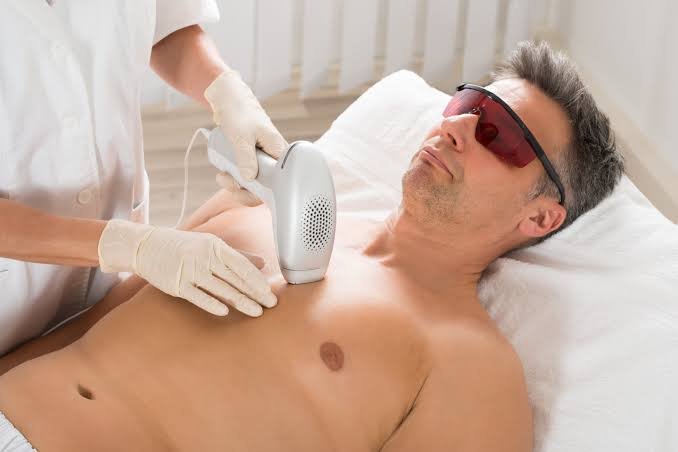
Shaving, waxing, and threading can remove unwanted hair temporarily, but the hair eventually grows back. Laser hair removal offers a longer-lasting approach by using controlled light energy to target hair follicles and gradually reduce future hair growth.
Although commonly called permanent hair removal, the procedure is more accurately described as long-term hair reduction. Multiple sessions are usually necessary, and occasional maintenance treatments may be required. Understanding how the procedure works can help you know what to expect before starting treatment.
What Is Laser Hair Removal?
Laser hair removal is a cosmetic procedure that uses concentrated light to target pigment, called melanin, within the hair. The absorbed light is converted into heat, which damages structures within the hair follicle responsible for producing new hair.
The goal is to slow or reduce future growth without significantly damaging the surrounding skin. Results depend on factors such as hair colour, skin tone, treatment area, hair growth cycle, laser technology, and treatment settings.
Does Laser Hair Removal Permanently Remove Hair?
Laser treatment can produce significant and long-lasting hair reduction, but it does not guarantee that every treated hair will permanently disappear. Some hair may eventually regrow, although it can be finer, lighter, or less noticeable.
Hormonal changes and certain medical conditions may also contribute to new or recurrent hair growth. For this reason, some people require maintenance sessions after completing their initial treatment course.
How Does Laser Hair Removal Actually Work?
The laser emits a specific wavelength of light that is absorbed primarily by pigment in the hair. This energy becomes heat and damages the targeted follicle, reducing its ability to produce hair in the future.
For people in Ahmedabad who want to reduce unwanted facial or body hair, discussing laser hair removal in Ahmedabad with a qualified dermatologist or appropriately trained medical professional can help determine suitable laser technology, treatment settings, expected sessions, and precautions based on individual skin tone and hair characteristics.
Proper treatment settings are particularly important because inappropriate energy levels can increase the risk of burns or changes in skin pigmentation.
Why Are Multiple Laser Sessions Required?
Hair does not grow continuously at the same rate. Each follicle moves through different phases of a growth cycle, and laser treatment works most effectively when hair is actively growing.
Understanding the Hair Growth Cycle
The hair cycle includes three major stages:
- Anagen: The active growth phase when the hair remains connected to the follicle and responds most effectively to laser energy.
- Catagen: A short transitional stage during which active growth stops.
- Telogen: The resting phase before the old hair eventually sheds.
Because only a proportion of hairs are in the active growth phase during any appointment, repeated treatments are scheduled several weeks apart to target additional follicles as they enter that phase.
Which Areas Can Be Treated?
Laser hair removal can be performed on many areas where unwanted hair grows. Treatment plans vary according to hair density, skin sensitivity, and the size of the treatment area.
Common areas include:
- Face and upper lip
- Chin and jawline
- Underarms
- Arms
- Legs
- Back
- Chest
- Bikini area
Treatment around the eyes and eyelids requires particular caution because laser exposure can cause serious eye injury. Appropriate protective eyewear is essential during treatment.
What Happens During a Laser Hair Removal Session?
Before treatment begins, the practitioner evaluates the skin and hair and may discuss medical history, medications, previous cosmetic treatments, tanning, and any tendency to develop pigmentation or scarring.
The treatment area is usually shaved so that laser energy can reach the follicle without excessive heating of hair above the skin.
During the Procedure
Protective eyewear is provided before the laser is activated. A handheld device delivers controlled laser pulses over the treatment area. Many systems also use cooling technology to protect the skin and improve comfort.
People often describe the sensation as brief warmth, tingling, or a snapping feeling against the skin. Treatment time varies from a few minutes for small areas to considerably longer for larger areas.
How Many Sessions Are Usually Needed?
There is no fixed number of sessions that works for everyone. Many people require a series of treatments, often around six or more sessions, but individual treatment plans vary.
The number and spacing of sessions depend on:
A professional assessment provides a more realistic estimate than assuming a standard number of sessions.
Who Is a Suitable Candidate?
Laser technology has advanced considerably, allowing treatment across a wider range of skin tones. However, the appropriate device and settings need to be selected carefully.
Because lasers target pigment, treatment generally works better when the hair contains sufficient melanin. Blonde, white, grey, and some red hairs may respond less effectively because they contain less of the pigment targeted by many hair-removal lasers.
People with darker skin can also undergo treatment, but suitable technology and careful settings are important to reduce the risk of skin injury or pigmentation changes.
How Should You Prepare Before Treatment?
Following appropriate preparation can reduce complications and help treatment target the follicles effectively. Your practitioner should provide instructions based on your skin and treatment area.
Common recommendations include avoiding tanning and excessive sun exposure, using appropriate sun protection, and avoiding waxing, plucking, or electrolysis before treatment because these methods remove hair from the follicle.
Shaving is usually permitted and may be specifically recommended shortly before the appointment. Patients should also disclose medications and skin products because some can affect skin sensitivity.
What Are the Possible Side Effects?
Temporary redness, mild swelling, and discomfort around treated follicles are common after laser hair removal. These effects usually settle within several hours or days.
Less common complications can include:
- Burns or blistering
- Temporary skin irritation
- Darkening of the skin
- Lightening of the skin
- Changes in skin texture
- Rare scarring
Risk can vary with skin tone, laser type, treatment settings, sun exposure, and operator experience. Following pre-treatment and aftercare instructions can help reduce avoidable complications.
What Should You Do After a Session?
The treated skin may temporarily feel warm or sensitive. Gentle skincare and protection from excessive sun exposure are usually recommended while the area recovers.
Avoid irritating the skin with unnecessary heat, harsh exfoliation, or products that cause discomfort immediately after treatment. Sunscreen is particularly important on exposed areas because treated skin may be more sensitive to sunlight.
Hair may appear to continue growing after treatment, but some treated hairs gradually shed over the following days or weeks. They should not necessarily be interpreted as immediate regrowth.
Conclusion
Laser hair removal works by directing controlled light energy toward pigment within hair follicles, producing heat that reduces their ability to grow new hair. Because follicles pass through different growth stages, several treatment sessions are usually necessary.
Results vary according to skin tone, hair characteristics, hormones, treatment area, technology, and individual response. An appropriate professional assessment and careful adherence to treatment and aftercare instructions can help improve safety and set realistic expectations.
Frequently Asked Questions
1. Is laser hair removal permanent?
Laser treatment generally provides long-term hair reduction rather than guaranteed permanent removal. Some hairs may eventually regrow and can be finer or lighter. Maintenance sessions may sometimes be recommended depending on individual response and hormonal factors.
2. Is laser hair removal painful?
Most people experience brief warmth, tingling, or a snapping sensation during treatment rather than severe pain. Comfort varies according to the treatment area, individual sensitivity, laser settings, and whether the device includes cooling technology.
3. How many laser hair removal sessions are required?
Many people need approximately six or more treatments, although there is no universal number. Hair colour, skin tone, treatment area, growth cycle, hormonal factors, and individual response determine the number and spacing of sessions.
4. Can laser hair removal be performed on darker skin?
Yes, suitable laser technologies can be used on darker skin tones. However, careful device selection and appropriate treatment settings are important because excessive absorption of laser energy by skin pigment can increase the risk of complications.
5. Can I shave between laser hair removal sessions?
Shaving is generally allowed between sessions because it removes hair above the skin without pulling it from the follicle. Waxing, plucking, and similar methods are usually avoided because they remove the follicular target needed for treatment.
Source: FG Newswire